Shared Hosting
  WordPress Hosting
  Cloud VPS Hosting
  Dedicated Servers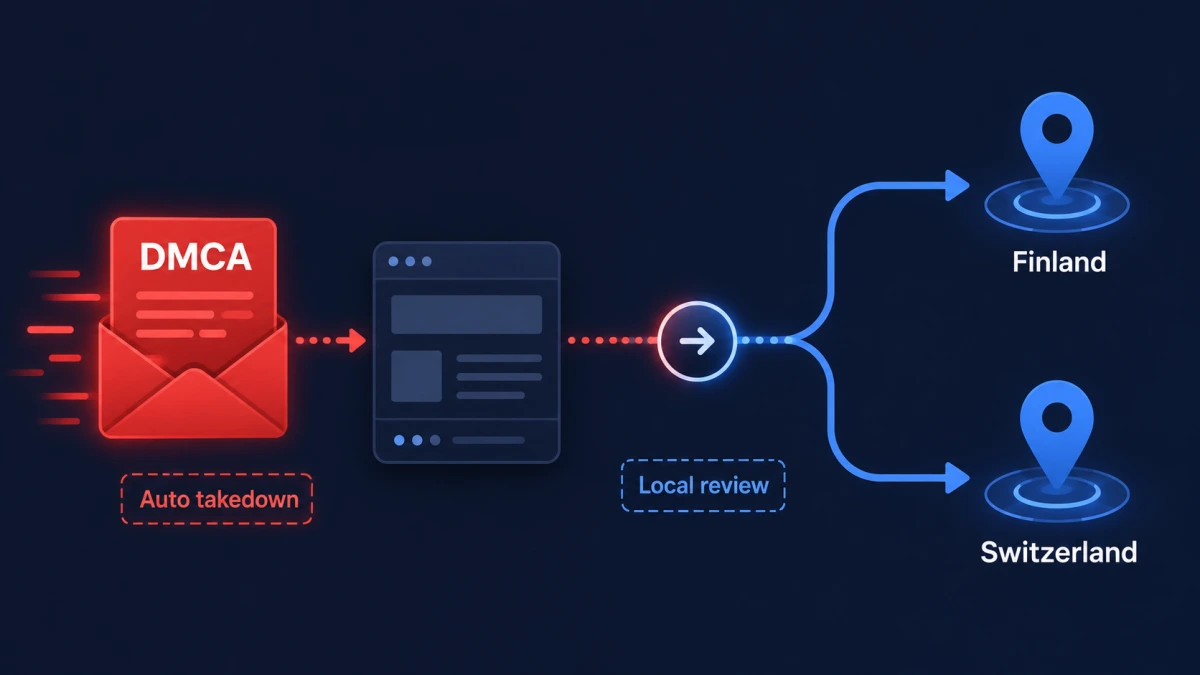
A DMCA takedown notice lands in an inbox and, for most site owners, the reaction is the same: panic first, read the fine print later. But DMCA takedowns and hosting jurisdiction are more connected than people realize, since what actually happens next depends far less on the notice itself and far more on where the server receiving it happens to sit.
What the DMCA Actually Is
The Digital Millennium Copyright Act is a US law passed in 1998. It gives copyright holders a fast, informal way to request that infringing content be removed, and it gives hosting providers a "safe harbor" from liability if they comply with those requests in good faith. That trade-off (quick takedowns in exchange for legal protection) is the entire mechanism behind why so many hosts remove content first and ask questions later: it's the path of least legal risk for them, not necessarily the fairest outcome for the person being accused.
DMCA Takedowns and Hosting Jurisdiction: Does US Law Reach Foreign Hosts?
Not directly. The DMCA is US copyright law, so a hosting company incorporated and operating entirely outside the United States has no legal obligation to honor it. That said, plenty of non-US hosts comply anyway, either because their customer base is US-heavy, because their upstream providers require it, or simply because it's easier than evaluating each claim on its merits.
This is where jurisdiction stops being a technicality and starts mattering in practice.
Finland and Switzerland Aren't "DMCA Ignored" Countries, and That's the Point
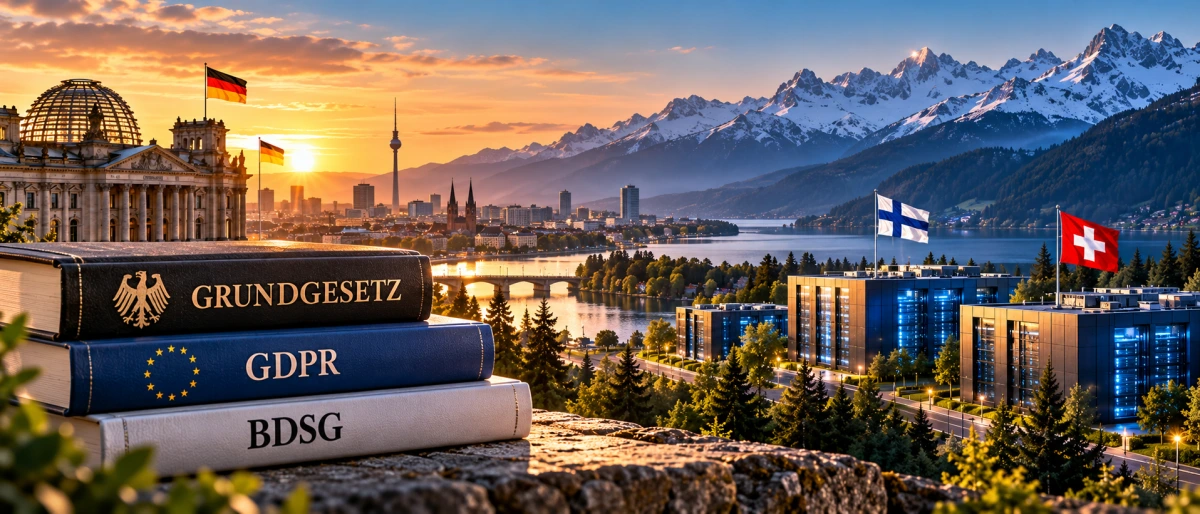
A lot of offshore hosting marketing leans on the phrase "DMCA ignored," implying that anything goes once a server crosses a border. That's misleading, and it's not how Packetra positions itself. Finland and Switzerland are both signatories to the Berne Convention and members of the World Intellectual Property Organization, meaning they have their own real, functioning copyright law. Content that's genuinely infringing is still infringing there.
What's different is the process. A takedown request has to go through the actual legal channel for that jurisdiction rather than triggering an automatic, fear-of-liability response built around a foreign law that doesn't apply. In practice, that means fewer knee-jerk suspensions and less exposure to one of the more common abuses of the DMCA system: competitors or bad actors filing bogus takedown notices specifically to knock a rival's site offline, betting that an automated compliance process won't look closely enough to notice the claim doesn't hold up.
For a legitimate business, that distinction (real due process versus reflexive compliance) is the actual value of jurisdiction. It's not about hosting anything illegal. It's about not losing your site to a fraudulent claim because your host's default setting is "take it down now, sort it out later."
Where This Actually Matters
This isn't just a concern for edge cases. Anyone running a forum, a media archive, a SaaS product with user uploads, an affiliate site, or even a personal blog that quotes or embeds third-party material has some exposure to takedown requests, and not all of them are made in good faith. Streamers and content creators in particular are frequent targets of retaliatory or opportunistic claims. A hosting environment that evaluates a claim rather than auto-actioning it is a meaningful layer of protection, separate from anything related to VPNs, encryption, or anonymous signup. For US site owners weighing a move for exactly this reason, Shared Hosting in Switzerland walks through what actually changes in practice, from the takedown process to speed and cost.
How This Fits Into Choosing a Host
If jurisdiction matters to you, a few things are worth checking before signing up with any provider:
- Where is the company actually incorporated, and where are the servers physically located? These aren't always the same.
- Does the provider's own policy describe how they handle takedown notices, or do they just link to the DMCA as if it universally applies?
- Who owns the datacenter and network upstream? Even a foreign-incorporated host can be pressured by an upstream provider that does comply reflexively with US law.
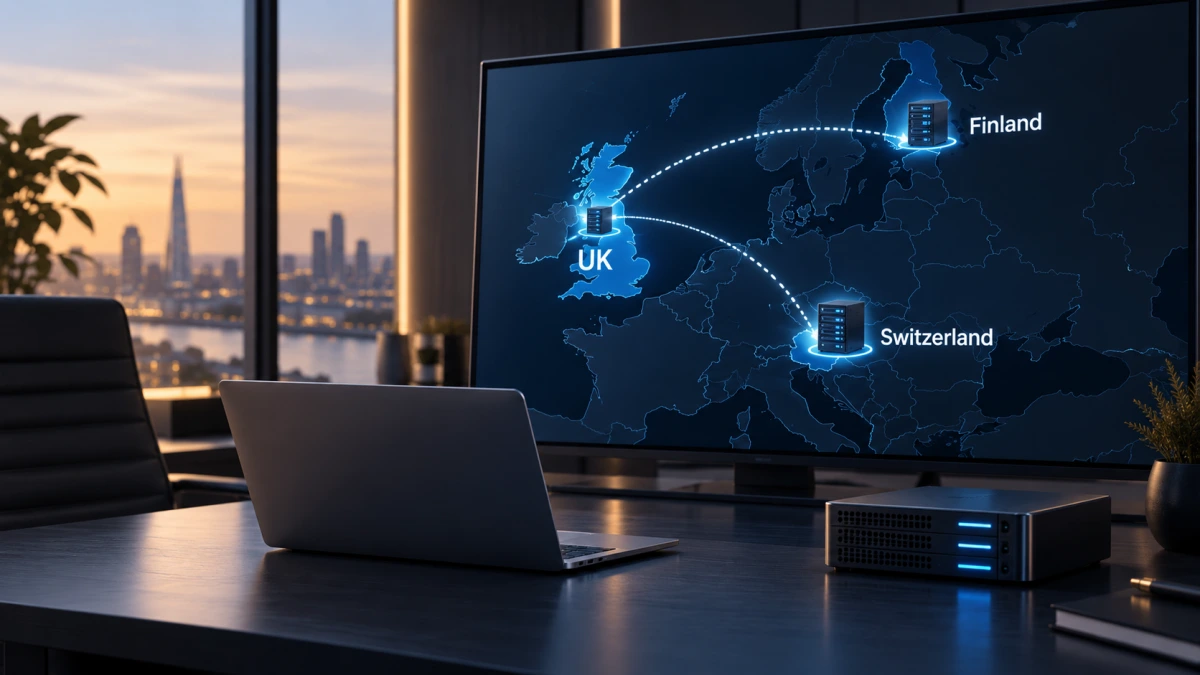
This is part of why Packetra runs infrastructure specifically in Finland (via Hetzner) and Switzerland (via Private Layer), rather than picking a jurisdiction for marketing value alone. Both countries have stable legal systems, strong data protection frameworks, and none of the reputational baggage that comes with hosting in a jurisdiction known mainly for ignoring law enforcement entirely.
Where Packetra Fits
Packetra offers shared hosting, WordPress hosting, Cloud VPS with unmetered bandwidth, dedicated servers, and domain registration, all on infrastructure in Finland and Switzerland. Signup is email-only with no KYC requirement, and payment can be made in Bitcoin or Monero through a self-hosted BTCPay Server instance, with broader cryptocurrency support through CoinPayments.
None of this is about hosting anything illegal. It's about a hosting environment built for people and businesses who want their content evaluated under real, applicable law rather than removed automatically because a foreign law says a host should be afraid of a lawsuit that was never actually going to happen.
This article is for general informational purposes and isn't legal advice. If you're dealing with an active copyright dispute, talk to a lawyer familiar with the relevant jurisdiction.